Loading...
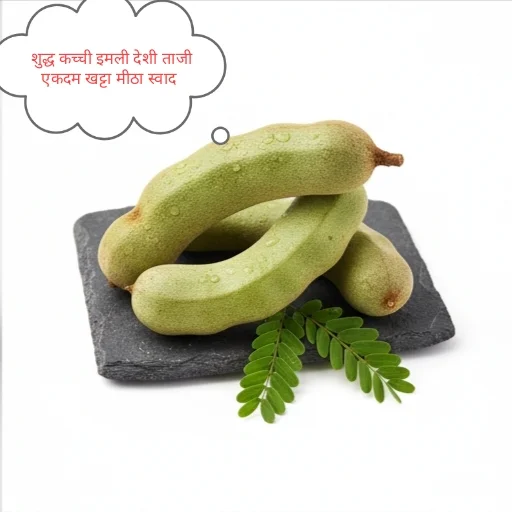
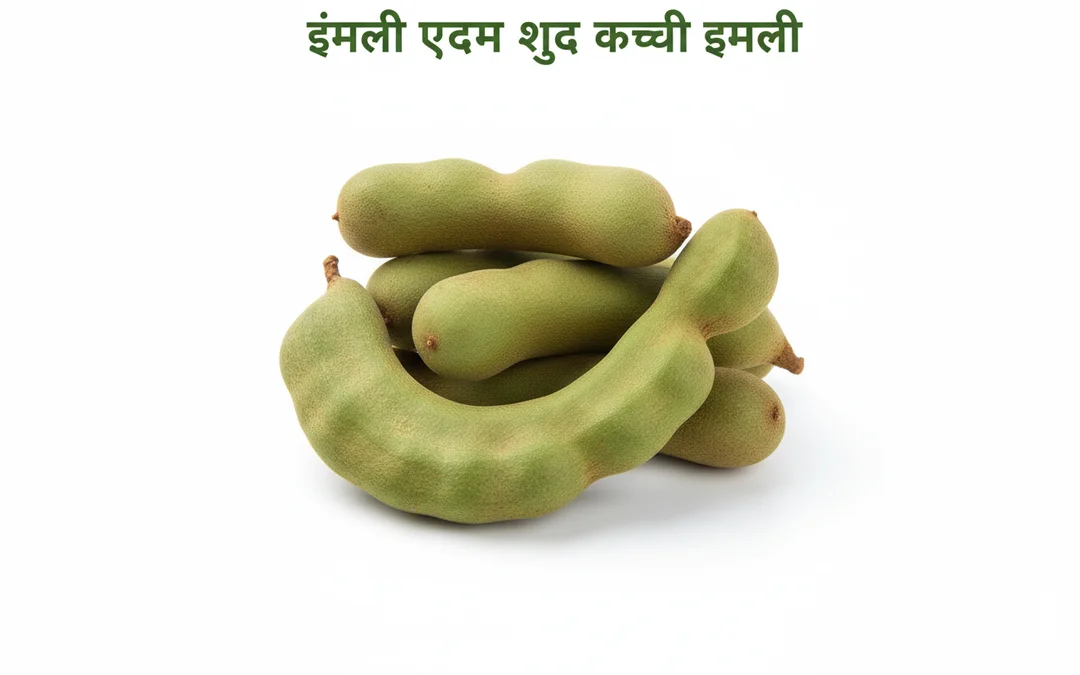

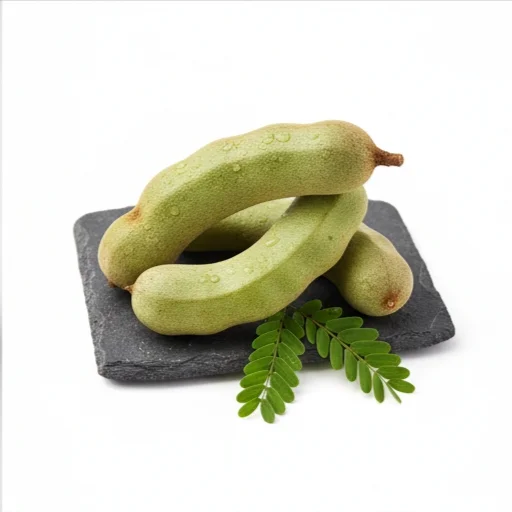
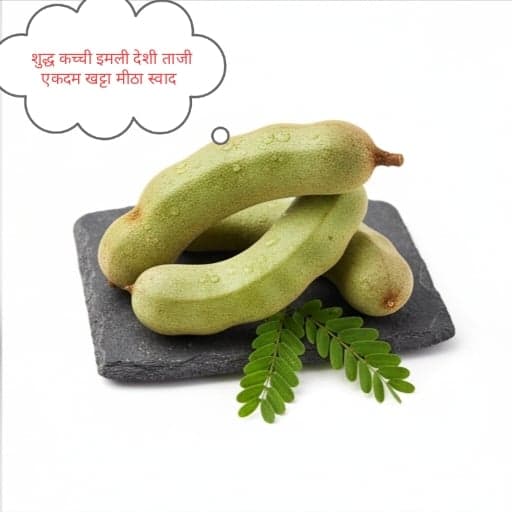
tamarind, scientifically known as Tamarindus indica, is a long-living, medium-growth, leguminous tree cherished globally for its versatile uses, primarily its distinctively flavored fruit. Indigenous to tropical Africa, it has become naturalized and is extensively cultivated across the Indian subcontinent, Southeast Asia, Central America, and other tropical and subtropical regions. Its name, derived from the Persian “Tamar-i-hind,” meaning "date of India," speaks to its deep history and popularity in the region.
The Majestic Tree
The tamarind tree is a sight to behold, reaching a maximum height of 25–30 meters (82–98 feet). It possesses a large, often irregular, vase-shaped crown of dense, evergreen foliage, making it an excellent source of shade. The leaves are alternately arranged and paripinnately compound, consisting of numerous bright green, elliptic-ovular leaflets that characteristically close up at night. The tree's bark is thick, brown, or dark gray with fissures. Its timber is highly valued, consisting of hard, dark red heartwood and softer, yellowish sapwood, used in carpentry and woodworking. The tree is remarkably resilient, exhibiting high resistance to drought and wind, thriving in full sun and various soil types, though it is sensitive to frost.
The Unique Fruit and Its Culinary Role
The most commercially important part of the tamarind is its fruit, a plump, brown, pod-like legume that typically does not split open. The pods, ranging from 7.5 to 20 cm in length, contain 3 to 12 large, flat, glossy brown seeds embedded in a soft, sticky, brownish pulp. This pulp is the heart of the tamarind's appeal. When the fruit is young, the pulp is green and intensely sour. As it ripens, it develops a paste-like consistency and a complex, highly valued flavor profile that is a unique blend of sweet and sour.
Tamarind pulp is a cornerstone in global cuisine, particularly in South and Southeast Asia, Mexico, and the Caribbean. It is a key ingredient in countless culinary preparations, including chutneys, curries, sauces, marinades, beverages, and desserts. Perhaps its most famous application in Western cuisine is as a vital component in Worcestershire sauce. In its processed forms, tamarind is sold as raw pods, pressed blocks of pulp, or concentrated paste. A mature tree can yield an impressive amount of fruit, sometimes up to 225 kg (496 lb) annually.
Traditional and Modern Applications
Beyond its culinary significance, almost every part of the tamarind tree has a traditional use. Historically, tamarind has played an important role in traditional medicine systems like Ayurveda. The pulp is a well-known mild laxative, used to treat digestive disorders and promote bowel movement due to its high content of organic acids, notably tartaric acid, as well as sugar and pectin. It is also utilized in treatments for bronchial disorders, sore throats, and as an antiseptic. Modern research continues to explore its potential antioxidant, anti-fungal, anti-bacterial, and anti-viral properties.
The tree's utility extends further: the tender leaves and flowers are used as vegetables, the testa (seed coat) finds use in the dyeing and tanning industry, and tamarind kernel powder is extensively used for its sizing properties in the textile, confectionary, cosmetics, and pharmaceutical sectors. The tamarind, therefore, stands as a truly multipurpose plant, valued not just for its tantalizing flavor but for its economic and ecological vers
atility.